
Four priority sectors
Focused on four sectors.
Not built as a generalist.
Plastics processing, food and cosmetics, manufacturing, and energy. Sectors where the wrong supplier can mean downtime, certification delays, or repeated rework.
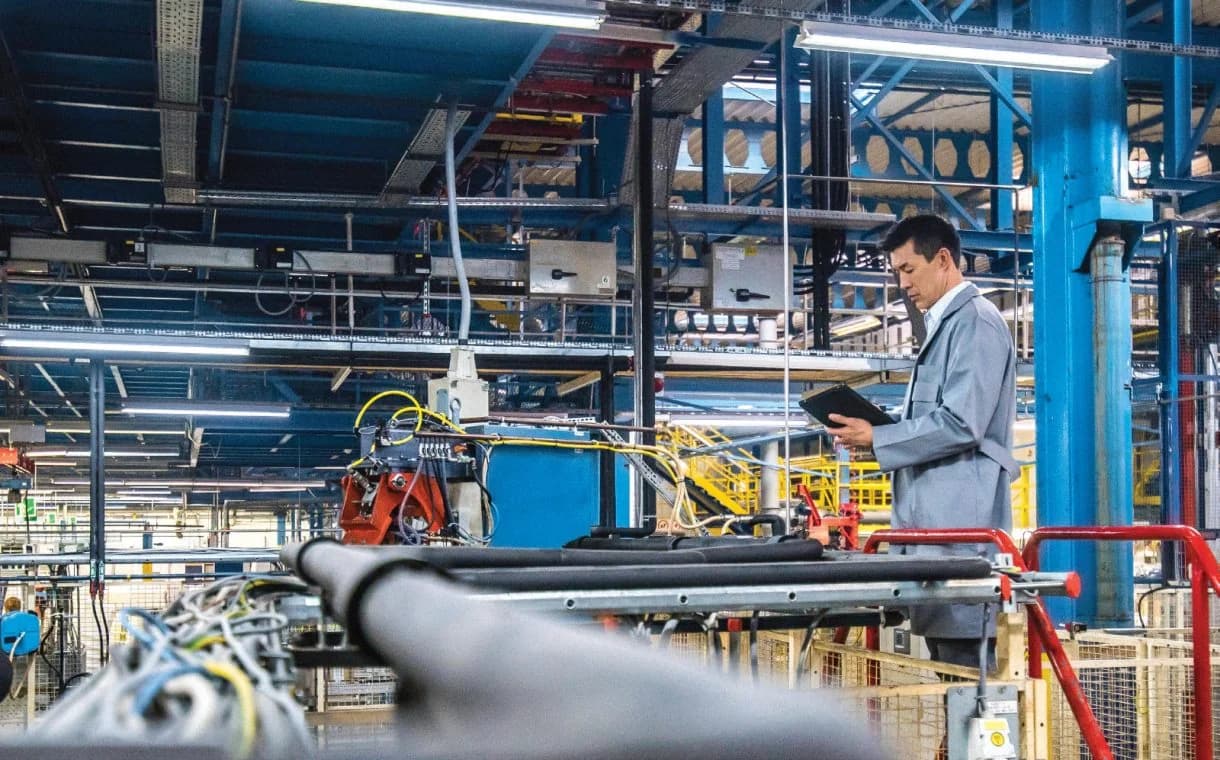
Priority sector
Plastics processing
Processing machinery, molds, peripherals, and automation where uptime and part quality depend on tight technical control.
- Reliability under continuous and high-cycle production.
- Quality consistency on technical parts and high-volume output.
- Maintenance access, tuning, and parts availability planned early.
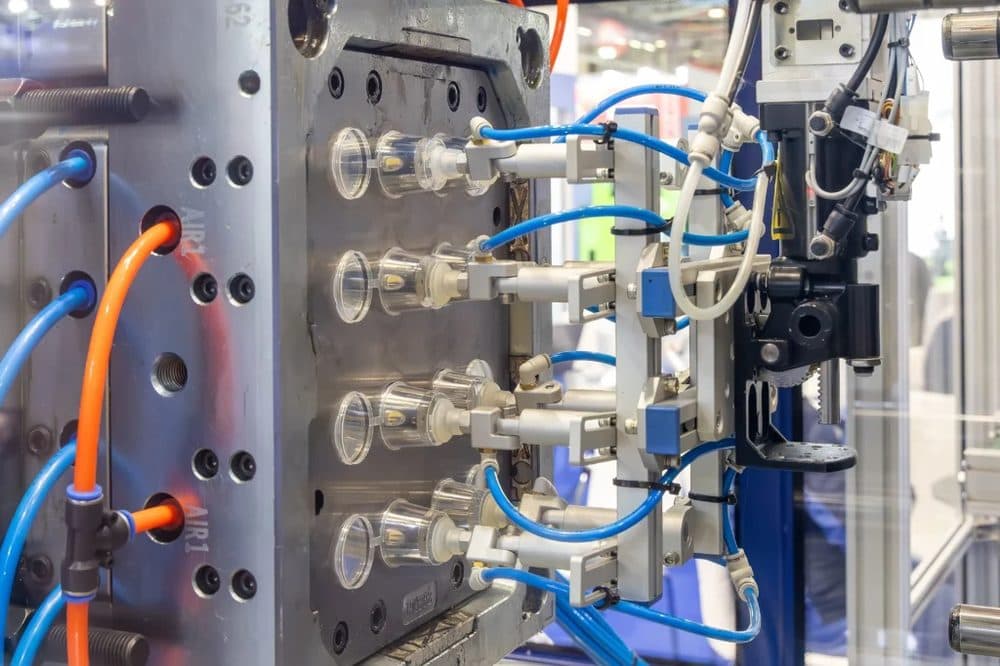
Priority sector
Food, cosmetics and packaging
Process lines, filling, packaging, and end-of-line equipment where hygiene, repeatability, and documentation must be controlled from the start.
- Product-material compatibility and hygiene requirements by application.
- Stable output rates and reduced packaging-line downtime.
- Document packs prepared for internal validation and site receipt.
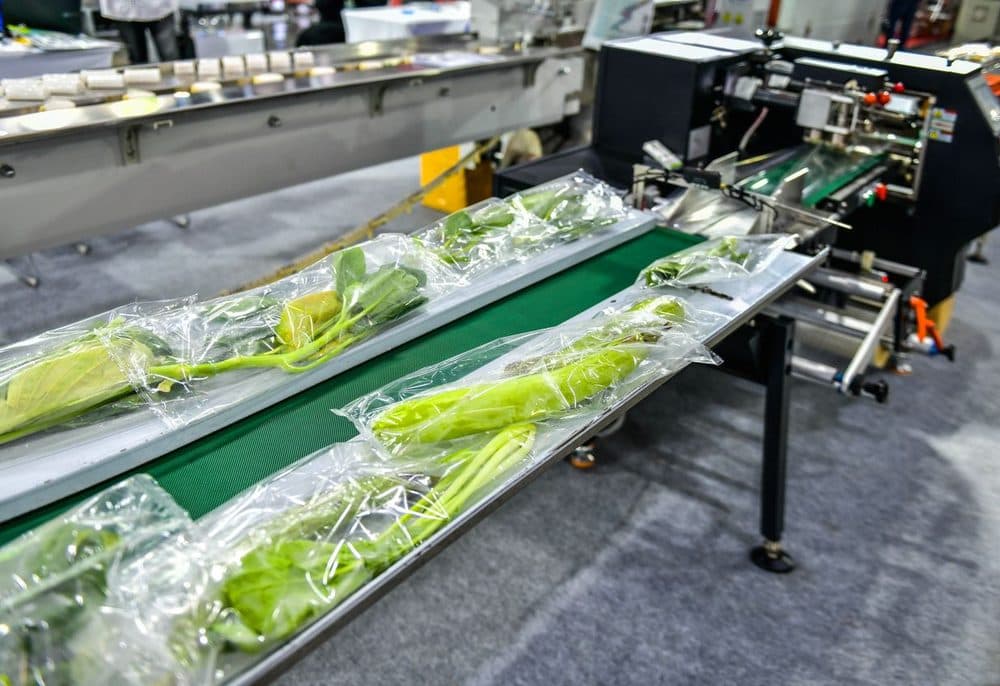
Priority sector
Manufacturing and traceability
Assembly, marking, quality control, and flow-tracking systems that improve process visibility and product traceability.
- Integration of marking and quality control systems into existing environments.
- Production data that supports quality control and yield monitoring.
- Closer alignment between supplier offer and workshop performance.
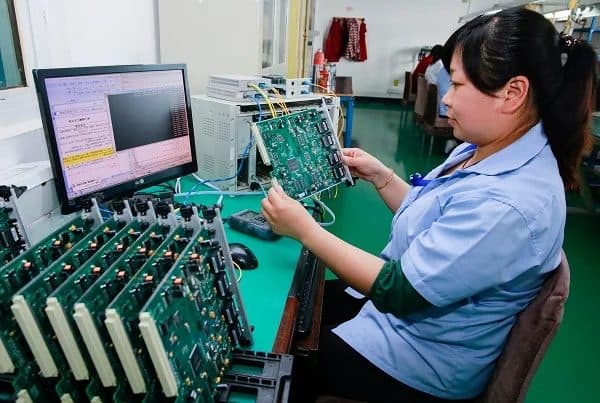
Priority sector
Energy transition and infrastructure
Photovoltaic modules, inverters, transformers, cables, storage and protection equipment for Africa-based energy infrastructure and industrial transition projects.
- Qualification of established Chinese manufacturers against the project specification.
- Documentation coordinated for project owner, engineer or lender review when required.
- Factory inspections and pre-shipment tests on critical equipment.

Common execution risks and Sinospect scope
The work centers on risk areas that directly affect schedule, quality, and final cost.
- Upfront technical review to align operating need, supplier offer, and operating conditions.
- Documentation requirements clarified before order to support receipt, installation, and startup.
- Continuous execution follow-up to anticipate bottlenecks, adjust milestones, and keep delivery planning aligned.
- Post-delivery support focused on corrective action and line stabilization under operating conditions.
Start with a sector-based review of your project
Share your context, constraints, and timeline. We will reply with an initial technical and operational review.